Part 1: Community Fundamentals
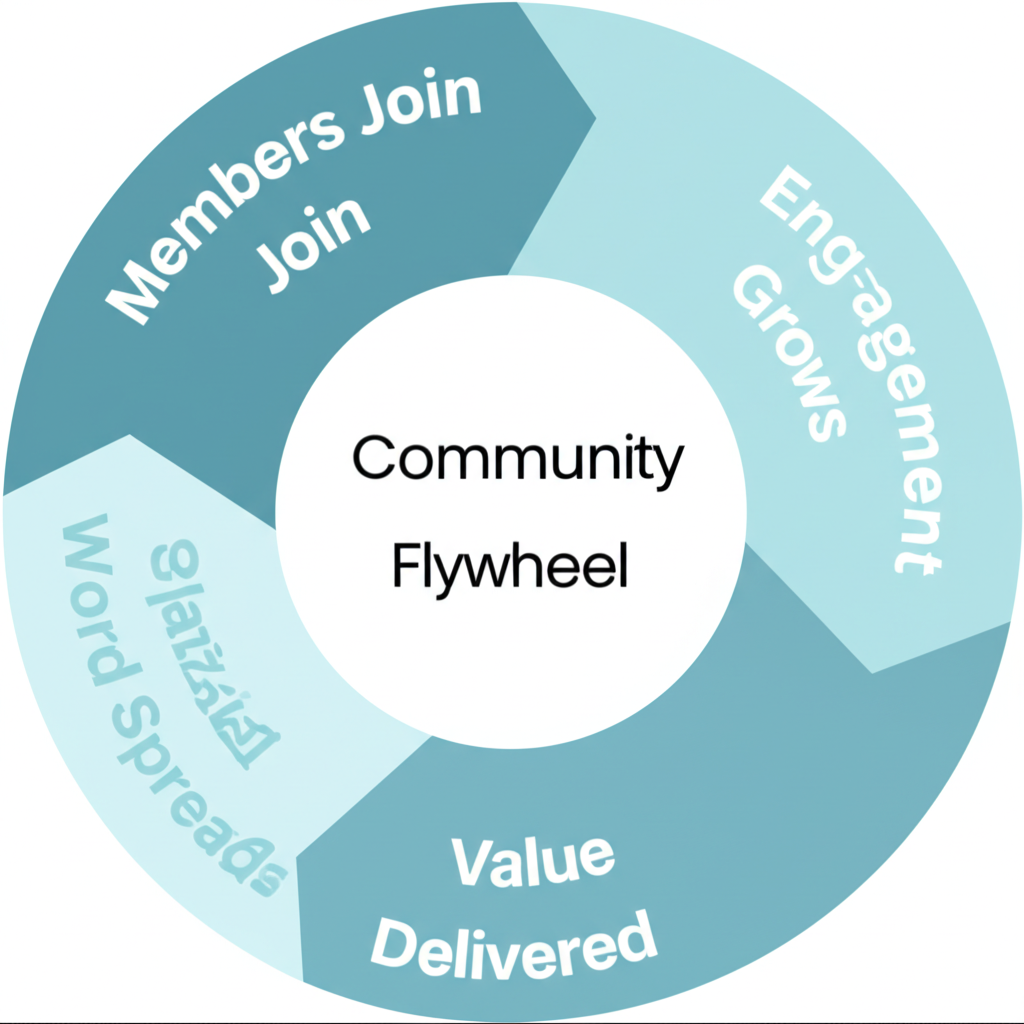
Why Community Matters
Community is the outer ring of developer experience:
Product → Docs → Content → Community
As you mature, community becomes crucial for:
- Support at scale
- Product feedback
- Advocacy and word-of-mouth
- Retention and stickiness
Types of Developer Communities
- Support communities (Slack, Discord)
- Discussion forums (Discourse)
- Open source contributors (GitHub)
- Craft communities (around a practice, not product)
Community of Craft vs Product Community
Community of craft:
- Broader than your product
- Practitioners helping practitioners
- Your product is one of many topics
- Harder to build, more valuable
Product community:
- Focused on your users
- Support and feedback
- More directly valuable for product
Part 2: Starting a Community
The Cold Start Problem
Seeding approach (from Demetrios Brinkmann):
Start by inviting selected people through LinkedIn/Twitter.
Sample outreach:
"Hey I've spent the last 40 days locked in my house [COVID], and wanted to do something productive with my life. And I started this community. If you want to join, let me know"
First 100 Members
Get to know people:
- When people join, talk to them
- Do 15-minute chats
- Learn what they want from community
- Understand their expertise
- Find where they can contribute
Seeding Conversations
Tactics:
- Ask people you spoke to, to ask questions in channels
- Share resources (shows community isn't dead)
- Tag and introduce members based on expertise
- Create reasons for engagement
Part 3: Growing Engagement
Don't Let Questions Go Unanswered
This is critical. An unanswered question = dead community signal.
If no one answers:
- Ask specific people in DMs to answer
- Tag relevant experts
- Share resources you've seen on the topic
- Answer yourself if needed
Tag and Connect Members
Based on your 1:1 conversations:
- Figure out who knows about what
- @ tag them in relevant conversations
- Intro/connect people who should know each other in DMs
Share Targeted Resources
When you know members' interests:
- Share courses, blogs, podcasts relevant to them specifically
- This is valuable and builds relationship
- Shows you're paying attention
Build Members Up
Ways to elevate community members:
- See their blog post? Share it in Slack, start discussion
- Invite them to meetups/conferences
- Feature them on podcast
- Give them speaking opportunities
The Be-Shameless Channel
Why it works:
- For practitioners, one of most valuable channels
- Keeps people informed on industry
- Vendor articles can be appreciated (they work with practitioners daily)
- Better than spam in #general
Part 4: Community Quality
Gating the Community
Why gate access:
- Discussions shaped by who's in them
- Vendors/beginners = vendor/beginner conversations
- Quality control matters
Gating approaches:
- Application form with questions
- Invite-only
- Vouch from existing member
- Company email only
Managing Spam and Quality
Separate channels for:
- Jobs/hiring
- Self-promotion (be-shameless)
- General discussion
- Specific topics
Moderation:
- Clear rules visible
- Active moderation
- Community-led enforcement
Part 5: Scaling Community
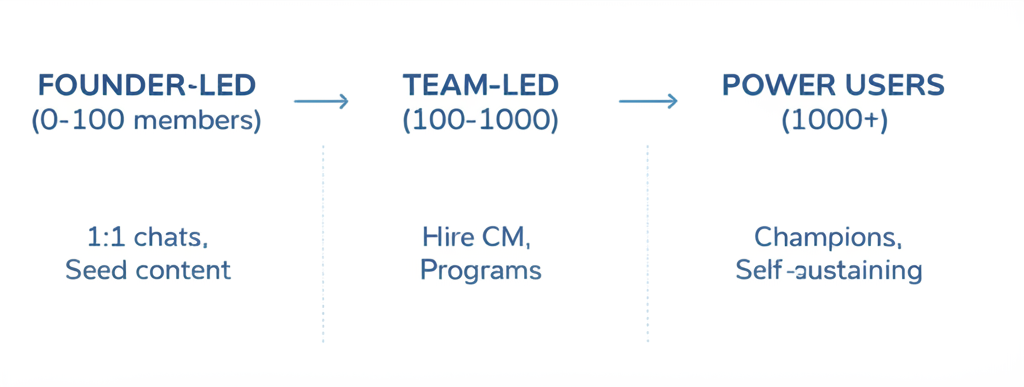
From Founder-Led to Team-Led
- Early: Founder/marketer does everything
- Growing: Hire community manager
- Scale: Community team + power users
Power Users and Champions
Identify power users:
- Most helpful in discussions
- Create content
- Advocate externally
Nurture them:
- Exclusive access
- Direct line to product
- Recognition
- Opportunities
Automating Engagement
Tools like Dots:
- Automated onboarding flows
- Scalable support
- Trigger-based engagement
But don't over-automate — authenticity matters.
Part 6: Monetizing Community (Carefully)
Sponsorship Tricky Balance
The challenge:
- Need sponsors to fund infrastructure and people
- Don't want to sell members as leads
Approaches:
- Sponsored content with clear labeling
- Sponsored events (not data sharing)
- Sponsored swag
Community as Lead Source
Warning: Don't treat community as lead farm.
Better approach:
- Community builds trust
- Trust leads to product exploration
- Exploration leads to conversion
Value Exchange
What community gives you:
- Product feedback
- Content ideas
- Advocates
- Support reduction
- Word of mouth
What you give community:
- Value from connections
- Learning opportunities
- Access to experts
- Career development
Part 7: Platform Choices
Slack vs Discord
Slack:
- Professional feel
- Enterprise-familiar
- Searchable history (paid)
- Integrations with work tools
Discord:
- Younger audience
- Voice channels
- Free features
- Gaming-adjacent communities
Other Platforms
Discourse:
- Forum format
- Better for long-form discussions
- Searchable, Google-indexable
- Less real-time
GitHub Discussions:
- Native to code
- Good for technical Q&A
- Open source friendly
Part 8: Small Exclusive Events
The Dinner Format
Why small and exclusive:
- 20-30 people max
- Not recorded
- Super focused conversations
- Quality relationships
Structure:
- Invite carefully
- Clear topic/theme
- Facilitated discussion
- Strong follow-up
Building FOMO
Use first attendees to attract more:
"I'm hosting a dinner with [known person] and [another known person]. Want to join?"
The Community Funnel
In-person event → Online community
After the dinner, the CTA is to join Slack. Relationship started IRL strengthens online.
Part 9: Podcasts and Community
Creating a Podcast Opens Doors
High-influence people take calls when it's a podcast. They might not otherwise talk to you.
Community benefits:
- Content for community
- Status for community
- Guests become community aware
Podcast as Community Tool
- Interview community members
- Feature their stories
- Answer community questions
- Strengthen relationships
Part 10: Community Metrics
Engagement Metrics
- Daily/weekly active members
- Messages per member
- Response rate to questions
- Time to first response
Quality Metrics
- Member retention
- Member satisfaction (survey)
- Help given to each other
- Content generated
Business Metrics
- Community members → customers
- Support deflection
- Referrals from community
- Feedback implemented
Quick Reference: Community Checklist
Getting Started
- Platform chosen
- Clear purpose defined
- First 50 members invited personally
- Core channels set up
- Guidelines visible
Growing
- 1:1 conversations with members
- Regular seeding of content
- Questions never go unanswered
- Members tagged and connected
- Power users identified
Scaling
- Community manager hired
- Power user program launched
- Events calendar set
- Metrics tracking in place
- Feedback loop to product
Resources & Further Reading
Community Building
- Business Value of Building Community — Patrick Woods (Orbit CEO)
- Lee Robinson on Developer Marketing — Developer experience and community
Product Hunt & Launches
- Product Hunt Launch Playbook — Matteo Tittarelli
- How to Launch Dev Tools on ProductHunt
Reddit Engagement
- Great Reddit Post from Convex — Tom Redman
Resources & Tools
- Enterprise Founder Toolkit — boldstart.vc
- Alternative to NPS for Dev Tools
- Dots — Community automation platform
Newsletters
- DevPMM Newsletter — Marek Nalikowski
- Going Deepear Into Dev Marketing